
Blog
Study could pave the method to recent treatments for individuals with compromised immune systems
Sep
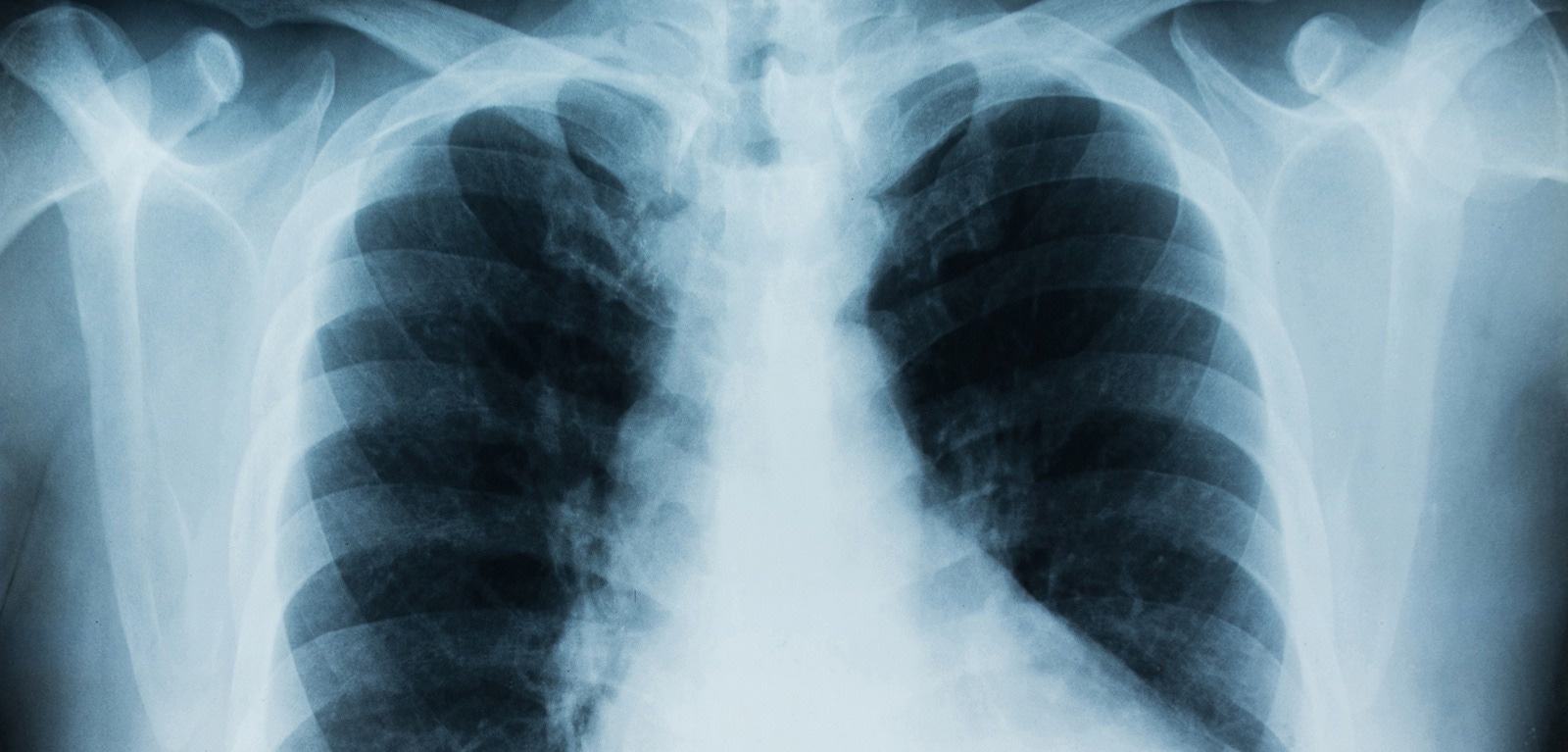
Latest research led by Queen’s University Belfast has made a breakthrough in the sphere of microbiology, which could lead on to the event of recent treatments for individuals with compromised immune systems, resembling those with cystic fibrosis.
Image Credit: Queen’s University Belfast
To conduct their study the researchers checked out the bacterium Achromobacter which may cause chronic lung infection and tissue damage within the airways.
The study reveals how this bacterium overcomes the body’s immune defenses to multiply and proceed to grow.
The findings have been published in Cell Reports.
Professor Miguel A. Valvano, Chair in Microbiology and Infectious Diseases on the Wellcome-Wolfson Institute for Experimental Medicine (WWIEM) at Queen’s University Belfast and lead researcher on the study, explains: “Achromobacter bacteria may cause chronic and potentially severe infections. Nevertheless, until now, how this opportunistic bacterium interacts with the human immune system has been poorly understood.
“These bacteria resist the motion of multiple antibiotics; due to this fact, infection by these microorganisms could be very difficult to treat by conventional therapies, especially in people living with cystic fibrosis or other immunocompromising conditions, resembling patients on chemotherapy.”
The research was led by scientists from the Valvano Group within the WWIEM at Queen’s. The research team includes Dr Keren Turton, Ms Hannah Parks and Ms Paulina Zarodkiewicz, and was conducted in collaboration with Dr Rebecca Coll and Dr Rebecca Ingram, also within the WWIEM, and Professor Clare Bryant from the University of Cambridge.
The team discovered that after being engulfed by the body’s immune cells (macrophages), these bacteria can survive inside cells using a specialized protein complex (called type III secretion system) to deploy molecules that induce the death of immune cells. Self-destruction of immune cells sounds an alarm that ends in the recruitment of other immune cells to fight off invaders.
Nevertheless, immune cells deficient in two of the inflammation sensors, called NLRC4 and NLRP3, don’t die, suggesting that these two sensors are required for the popularity of the pathogen.
The researchers observed that Achromobacter infection leads to wreck in lung structure and causes severe illness if the specialized secretory pathway is functional, but not if bacteria carry mutations within the secretion system.
This demonstrates that the macrophages’ self-destruct alarm is triggered by the kind III secretory system pathway but that this inflammatory response is insufficient for the immune system to defeat the bacteria.
The following stage of the research is to find out what other virulence proteins are within the Achromobacter armamentarium, helping it survive and invade other cell types within the body. The kind III secretion system or other proteins may very well be useful for developing novel treatments.
This research was funded by the US Cystic Fibrosis Foundation.
Source:
Journal reference:
Turton, K., et al. (2023) The Achromobacter type 3 secretion system drives pyroptosis and immunopathology via independent activation of NLRC4 and NLRP3 inflammasomes. Cell Reports. doi.org/10.1016/j.celrep.2023.113012.
